
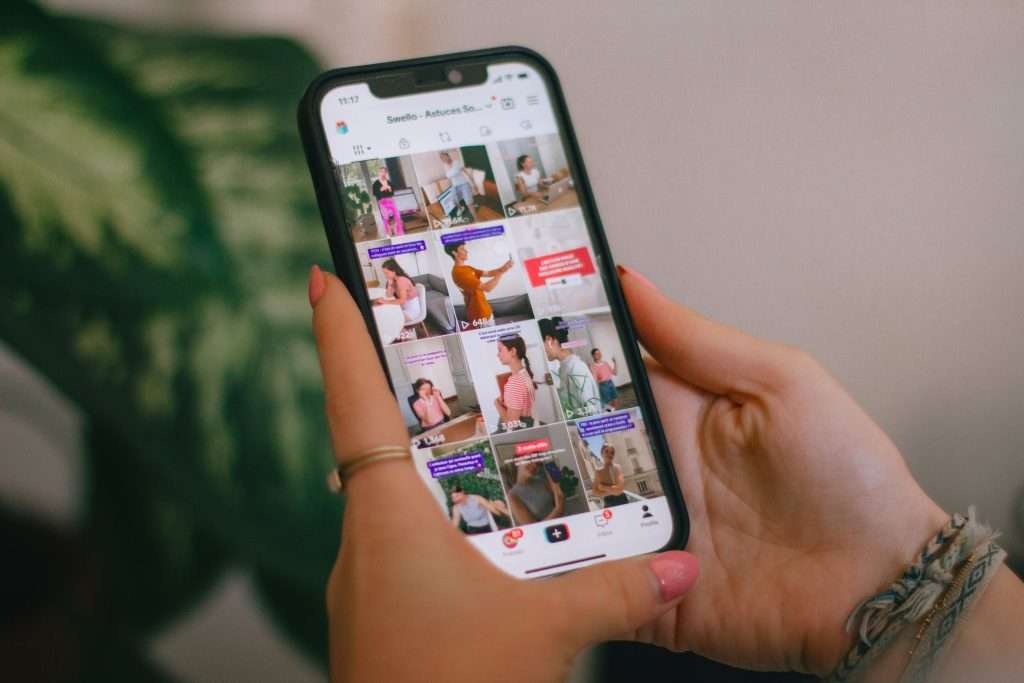
TikTok encourages users to find what makes them unique, but viral trends may be making online culture more uniform than ever.
Scroll down any social media feed, and you’ll likely come across somebody explaining how to find your niche. From fashion, fitness, reading, studying, or travel, creators are constantly encouraging users to find out what makes them unique. Their message is simple: stand out from the crowd.
Yet there is a contradiction among all this advice. If everyone is following the same steps on how to be different, will we not just become more alike?
Social media platforms advertise individuality. Users are encouraged to express themselves, build a personal brand, and create content to show off their interests. At first glance, this appears to celebrate creativity and originality. However, a quick scroll through TikTok reveals how heavily the platform relies on trends.
Every week brings a new trending sound, aesthetic, challenge, or format. Creators often jump on these trends in the hope of reaching a wider audience. The logic makes sense. If a particular style of content is already successful, recreating it increases the chances of gaining views and engagement.
As a result, social media can create a strange environment where standing out often requires fitting in first.
Many creators who are told to “find their niche” begin by following the same routines as everyone else. Study accounts adopt similar layouts, BookTok creators share many of the same books, and lifestyle influencers often have the same aesthetics. While each creator may put their own spin on the trend, the overall result can feel overly uniform.
But are trends always negative? They have always existed, even before the popularity of social media. They provide shared experiences and help people discover new interests. Without trends, many online communities wouldn’t exist at all. A student looking for book recommendations, study advice, or fitness inspiration can easily connect with like-minded people through these niche communities online.
The problem arises when individuality becomes something that is built to be replicated.
Many users are encouraged to build a carefully planned-out online identity. The pressure to be unique can become just another trend in itself. Ironically, platforms that claim to reward originality often reward familiarity. People quickly learn which formats perform well, which aesthetics attract attention, and which topics promote engagement.
This creates a cycle in which creators are encouraged to follow popular content while simultaneously being told to stand out.
Perhaps this explains why so many online spaces can begin to look similar. The desire for individuality remains, but the pathways to visibility are often the same. Social media may offer endless opportunities for self-expression, but it also encourages users to take part in trends that have already proven successful.
Enjoying trends or being part of an online community isn’t a bad thing. After all, shared interests are what bring people together. However, it is worth considering how platforms create algorithms around the way we express ourselves. In a digital world where everyone is trying to find what makes them different, perhaps the greatest irony is that success often comes from following the crowd.
Maybe the real challenge is not finding a niche at all. Maybe it is finding a way to be yourself in an online culture that constantly tells you how to do it. Rather than measuring success through views or viral moments, perhaps success should be defined by how honestly we express ourselves. After all, standing out may have less to do with following trends and more to do with embracing what makes us different in the first place.
