
For many tourists, Airbnb is the go-to choice for a weekend away. However, after this summer of protests against over-tourism in some of Europe’s biggest cities, is it about time we rethink how we holiday?
For many short-term travellers, booking through Airbnb has become a no-brainer, over 50% of online rentals are booked through them. So what’s the catch?
Over the previous summer months, major tourist cities such as Barcelona and Athens have seen a surge in anti-tourist rhetoric. From graffiti and protests, to residents barricading beaches, locals have started to take a hard-line stance against tourists, with many now pointing fingers at Airbnb as the main cause of the cities’ tourism problems
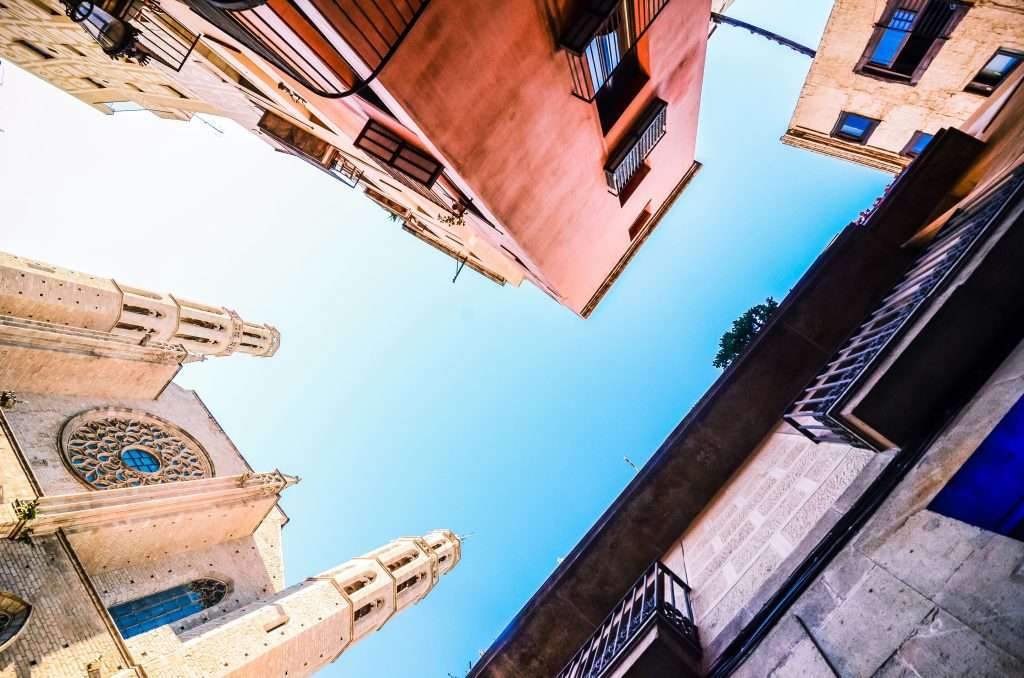
In response to the 12 million tourists that have piled into the city, Barcelona has seen some of the biggest protests. The New York Times reported “between 10,000 to 15,000 [people took] to the streets” on 6 July. Airbnb has been host to many of these tourists, with an estimated 10,000 short-term rentals in the city. These short-term properties are often being bought up by hosts and rented out for the summer months, causing rent in Barcelona to increase by an estimated “70% in the past 10 years”, pushing locals out of the neighbourhoods.
As a result, a ban on short-term rentals will be introduced in Barcelona beginning November 2028. Moreover, no new short-term licences will be issued or renewed. However, Barcelona isn’t the first city to implement these regulations. Berlin has implemented a 90-day maximum rental period preventing hosts from making rentals fully short-time, deterring professional hosts from buying up housing stock.
While a ban on short-term rentals is a simple solution, the implications are quite the opposite. For countries such as Greece, tourism equates to an estimated 11.5% of national output. Moreover, for Greece’s population, a fifth depend on tourism as their main source of income. Therefore, whilst a crack-down on short-term rental will benefit the local housing market and the environment, the dependency many countries have on tourism due to a lack of other industries will mean local economies will also take a hit.
However, this disruption to Airbnb short-term rentals does not mean the end of the much-loved weekend getaway. Tourists, instead of planning their getaway trip for the summer months, are now being encouraged to travel throughout the year.The Center for Responsible Travel also recommends that tourists look for alternative short-stay accommodation such as hotels, BnBs, hostels and campsites, which will help stimulate local, family-run businesses. This will allow for countries such as Greece to host a less concentrated amount of tourists whilst still reaping the economic benefits, while visitors will get cheaper prices and less crowded tourist attractions.
While the future of short-term Airbnb rentals seems uncertain, this does not mean the end of the weekend city break. Instead, it serves as an important reminder for us tourists to reconsider the impact our travel has on these cities and countries, and whether our money is better spent in other places, such as small towns and family-run businesses.
